
Emerging evidence indicates the important role of lipid metabolism dysregulation in driving the pathological features of Parkinson’s disease.
A recent study led by researchers at Western Australia’s Perron Institute and Australian National Phenome Centre (ANPC), involving an Estonian cohort, compared more than 750 lipid species in the blood serum of people with Parkinson’s and those without.
The burden of Parkinson’s, the second most common neurodegenerative disease after Alzheimer’s, is increasing worldwide. Although there are biomarkers, there is no single definitive test and the current standard for diagnosis remains neurological examinations, symptom history and response to dopamine therapies.
As major structural components of brain tissue and critical regulators of neuronal (nerve cell) function, lipids (fats, oils and waxes) are involved in diverse biological processes such as building cell membranes (outer barrier), supporting nerve cell communication, storing energy, and maintaining homeostasis – the process by which the body maintains a stable internal environment.
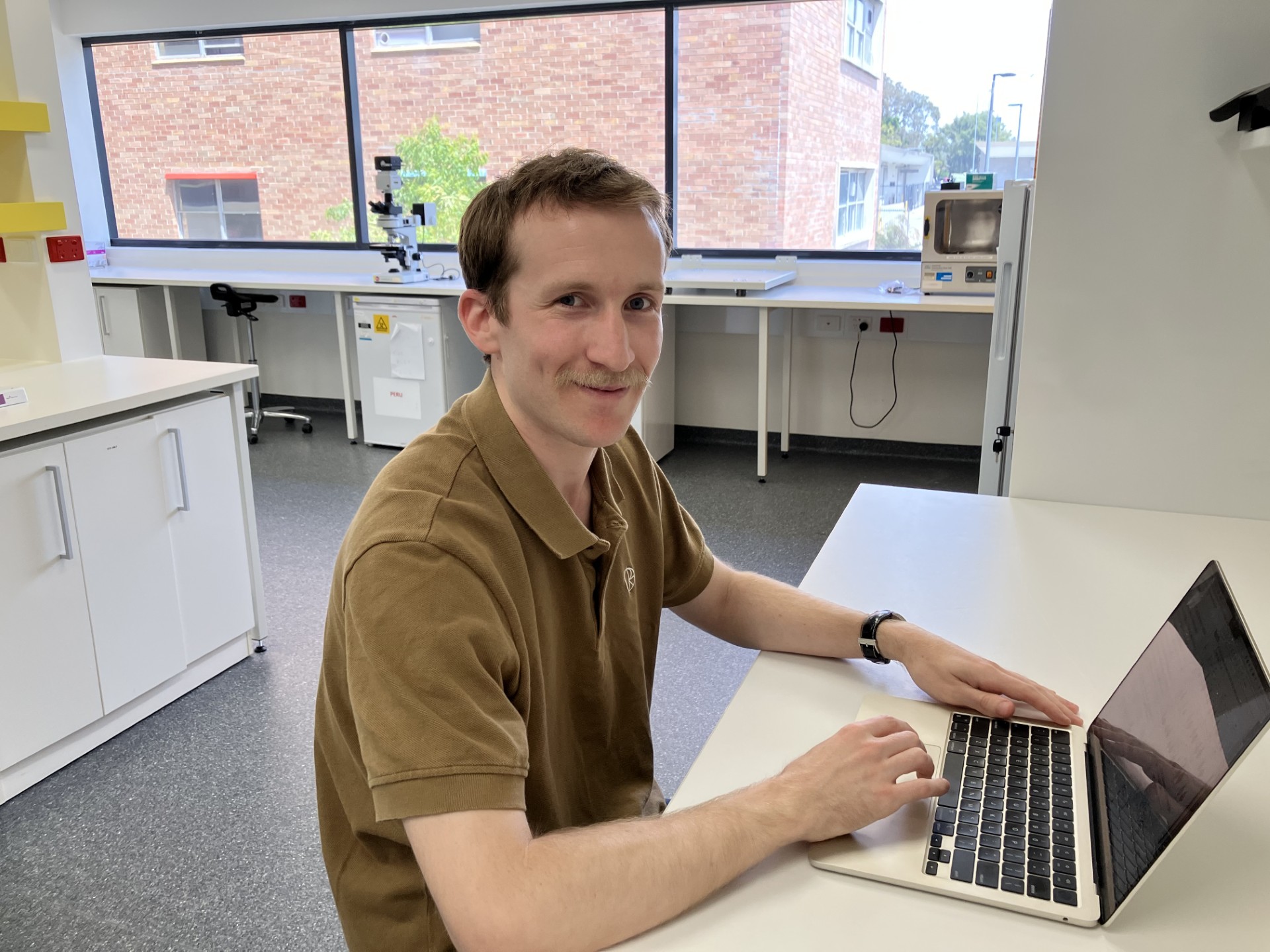
“Several classes of lipids were significantly lower in people with Parkinson’s, with triglycerides being among the most disturbed in our study,” said first author Jack Price, a Perron Institute Research Assistant who conducted this research as part of his Master’s project, which he completed at Murdoch University last year.
Triglycerides are the body’s main energy reserve and are best known for their role in heart health.
“The study results suggest that the way fatty acids such as Omega-3 are stored in and released from lipids may be altered in people with Parkinson’s.
“Whether the changes we see are a cause or a result of the condition is not yet known, but they point to fatty acid balance as an important target for future investigation.”
Published in the peer-reviewed journal Parkinsonism and Related Disorders, the senior author of the study is Professor Sulev Koks, who heads Genetic Epidemiology Research at the Perron Institute and the Murdoch University-based Personalised Medicine Centre.
Other authors of the paper are neurologist Dr Mari Muldmaa and Head of Neurology Dr Katrin Sikk (North Estonia Medical Centre and University of Tartu), Head of Department and Professor of Neurology Pille Taba (University of Tartu), and Research Fellow Dr Luke Whiley (Curtin and Murdoch Universities and ANPC).
Mr Price’s research was supported by an Australian Government Research Training Program Scholarship.