
Clinicians across Australia and New Zealand have published evidence of a non-invasive screening method for a common feature of cryptogenic stroke – stroke of unknown cause.
The consensus statement published in the Medical Journal of Australia highlights the clinical significance of patent foramen ovale (PFO), commonly described as a ‘hole in the heart’, as a significant cause of cryptogenic ischaemic stroke (10 to 30 per cent), particularly in younger patients.
A PFO occurs in around one in four people. In some cases, this small, unclosed flap in the heart (which didn’t seal at birth) can allow blood clots to pass from the right to the left side, bypassing the lungs and travelling into the brain, where they can block an artery and cause a stroke.
The paper provides 12 recommendations to standardise and optimise PFO care across Australia and New Zealand, promoting evidence-based practice and equitable access to appropriate interventions.
One of the key recommendations is the use of Transcranial Doppler ultrasound (TCDUS) as a non-invasive, cost-effective first-line screening method for patients under 60 years old suspected of having a PFO as a cause of cryptogenic stroke.
Transcranial Doppler ultrasound (TCDUS) combined with an intravenous agitated saline solution (bubble study) can detect right-to-left shunt or abnormal pattern of blood flow in the heart. The test uses a small ultrasound sensor on the skin near the temple to detect tiny bubbles in the brain’s blood flow. These bubbles would normally be filtered out by the lungs, so their presence can suggest a small opening in the heart that may allow blood to bypass the lungs.
The current gold standard is a transoesophageal echocardiogram, which requires sedation and specialised anaesthetic support and may not be readily accessible, particularly in regional and remote areas.
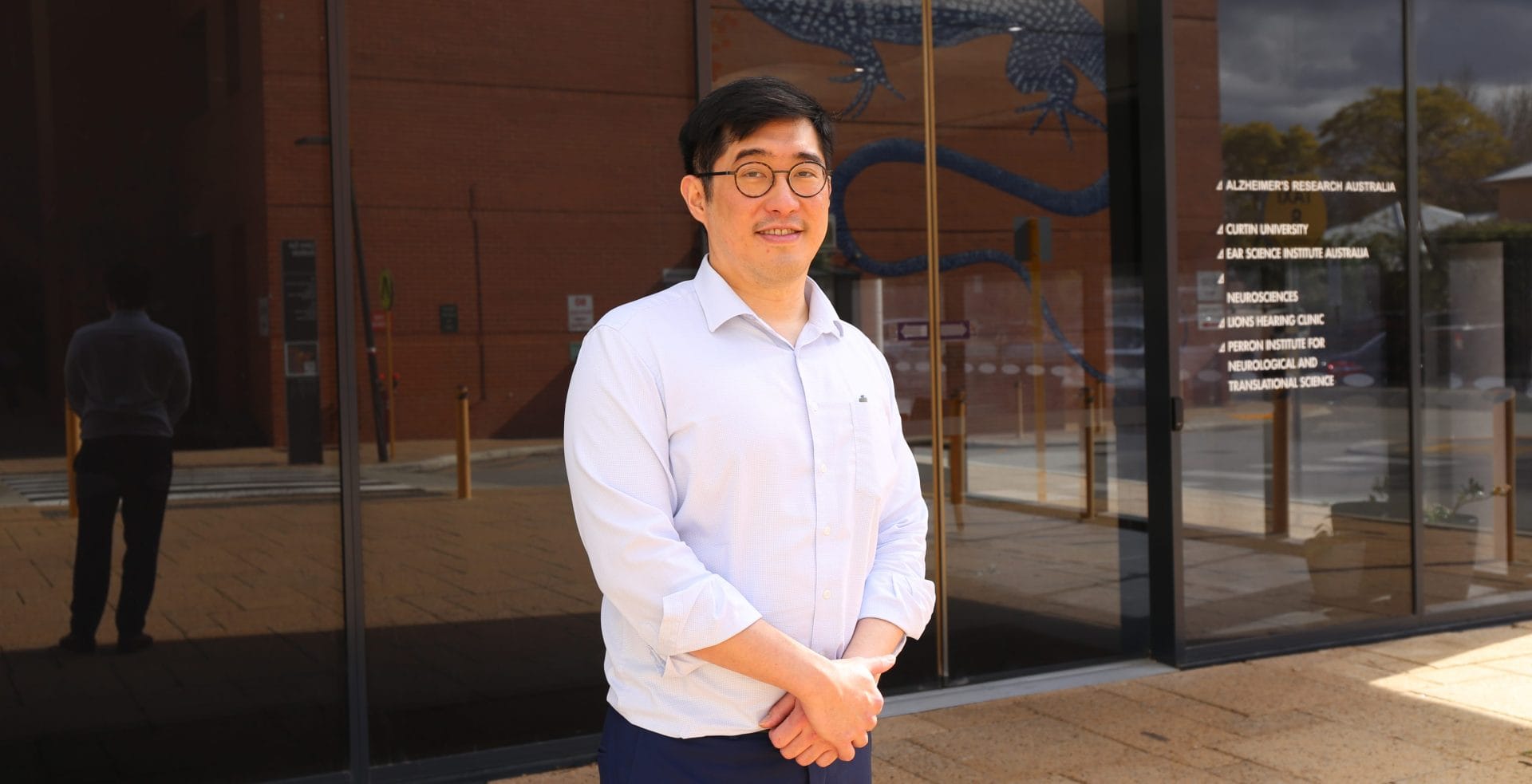
Dr Jan Ho, a stroke consultant neurologist at the Perth-based Perron Institute and Sir Charles Gairdner Hospital and one of the authors of the paper, said he was fortunate to have trained with senior clinician and first and corresponding author of the paper, Associate Professor Brian Chambers (Austin Health and University of Melbourne).
“I learnt the TCDUS technique during my time at the Austin Hospital in Melbourne with Dr Chambers’ team, and I was amazed at how quickly we could identify patients with PFO,” Dr Ho said.
“The diagnostic tool is available in some hospitals around Australia, but more widespread access could speed up the diagnostic and treatment processes of PFO as a cause of stroke and hopefully improve patient outcomes through targeted interventions for suitable candidates.
“We hope these recommendations will help neurological units throughout Australia in developing their own Transcranial Doppler ultrasound service for their stroke patients.”
The multidisciplinary consensus group comprises stroke neurologists and an interventional cardiologist from major centres across Victoria, Queensland, New South Wales, Western Australia, Tasmania and New Zealand.
Other authors of the paper are A/Professor Lauren Sanders (Head of Stroke at St Vincent’s Hospital and University of Melbourne), A/Professor Amanda Gilligan (Epworth Healthcare and University of Melbourne), A/Professor Carlos Garcia-Esperon (Director of the Acute Stroke Services at the John Hunter Hospital and Newcastle University), Dr John Fink (Christchurch Hospital, New Zealand), Dr Matias Yudi (Structural and Interventional Cardiologist at Austin Health and University of Melbourne), Dr Matthew Lee-Archer (Launceston General Hospital and University of Tasmania), Dr Vimal Stanislaus (Alfred Health and Monash University), and A/Professor Andrew Wong (Royal Brisbane and Women’s Hospital and University of Queensland).