
A neuroprotective therapeutic being developed by Australian biotechnology company, Argenica Therapeutics to reduce brain tissue death after stroke may also have benefit for treatment of Alzheimer’s disease.
A recent WA-based preclinical study published in the international peer reviewed journal Biomedicines investigated the potential of the arginine-rich peptide R18D, also known as ARG-007 and xaranetide, to mitigate the toxic effects of amyloid-beta and tau, which contribute to Alzheimer’s.
Amyloid-beta plaques are sticky clumps of protein fragments that build up between brain nerve cells. Tau, another defining feature of Alzheimer’s disease, is a protein that can become abnormal and build up inside brain cells, forming clumps known as ‘tangles’.
Alzheimer’s disease is the most prevalent form of dementia, comprising 60 to 80 per cent of cases.
It is estimated that Alzheimer’s and other dementias affect over 50 million people worldwide, a figure projected to rise to over 130 million by 2050. The societal and economic impact is massive but despite significant research advances, disease-modifying therapies remain limited, the study notes.
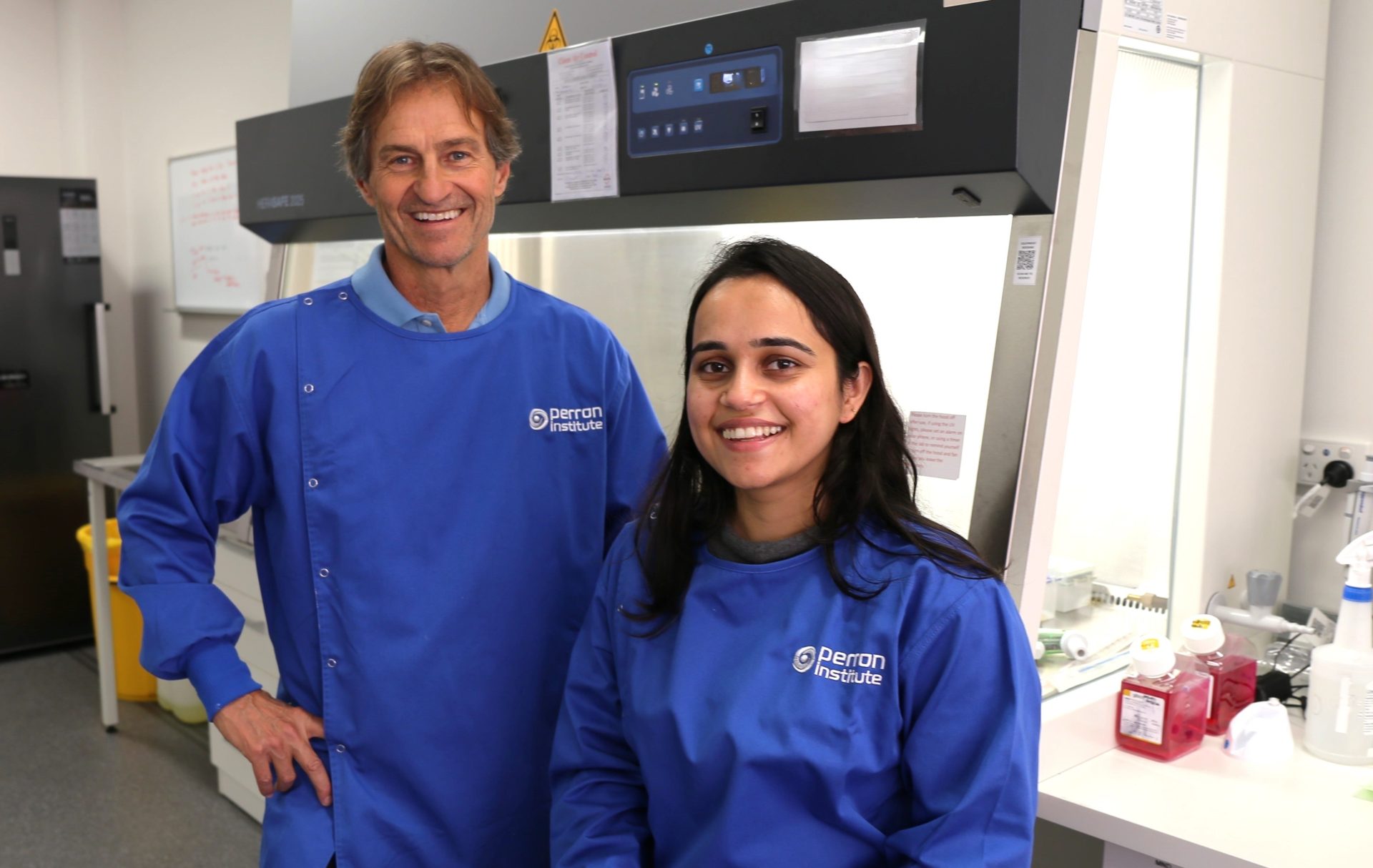
“Given the limited efficacy of current Alzheimer’s therapies, there is growing interest in multimodal strategies that target core pathological mechanisms,” said first author Vaishali Bagda, PhD candidate at the Perron Institute and The University of Western Australia.
“Results of this collaborative preclinical study demonstrate that R18D has the potential to be delivered orally to modulate the damaging accumulations (amyloid-beta and tau) associated with neurodegenerative dementia.
“Although the findings are preliminary, they strongly support the potential of R18D as a broad-acting neuroprotective agent for Alzheimer’s and other tau associated neurodegenerative disorders, warranting further evaluation in preclinical models and clinical trials.”
R18D has been used in multiple Australian-based preclinical and clinical studies of acute brain injury, including stroke, traumatic brain injury and hypoxic-ischemic encephalopathy, a serious condition that occurs when the brain is deprived of oxygen, for example in newborns.
The senior author of the paper is Professor Bruno Meloni (Perron Institute, UWA, SCGH and Argenica). Other authors are Professor Ralph Martins (Alzheimer’s research group at Edith Cowan and Macquarie Universities), Zainab Farooz (Perron Institute and UWA), Clinical Professor Neville Knuckey, Dr Samantha South, Dr Stuart Gribble (Argenica), Maitri Tomar (Perron Institute and UWA), and Dr Prashant Bharadwaj, Ajish Ariyath, Kevin Taddei from ECU and Alzheimer’s Research Australia.
Photo caption: L-R Prof Bruno Meloni and Vaishali Bagda in the Perron Institute lab.